
Small Treats, Big Considerations
◆
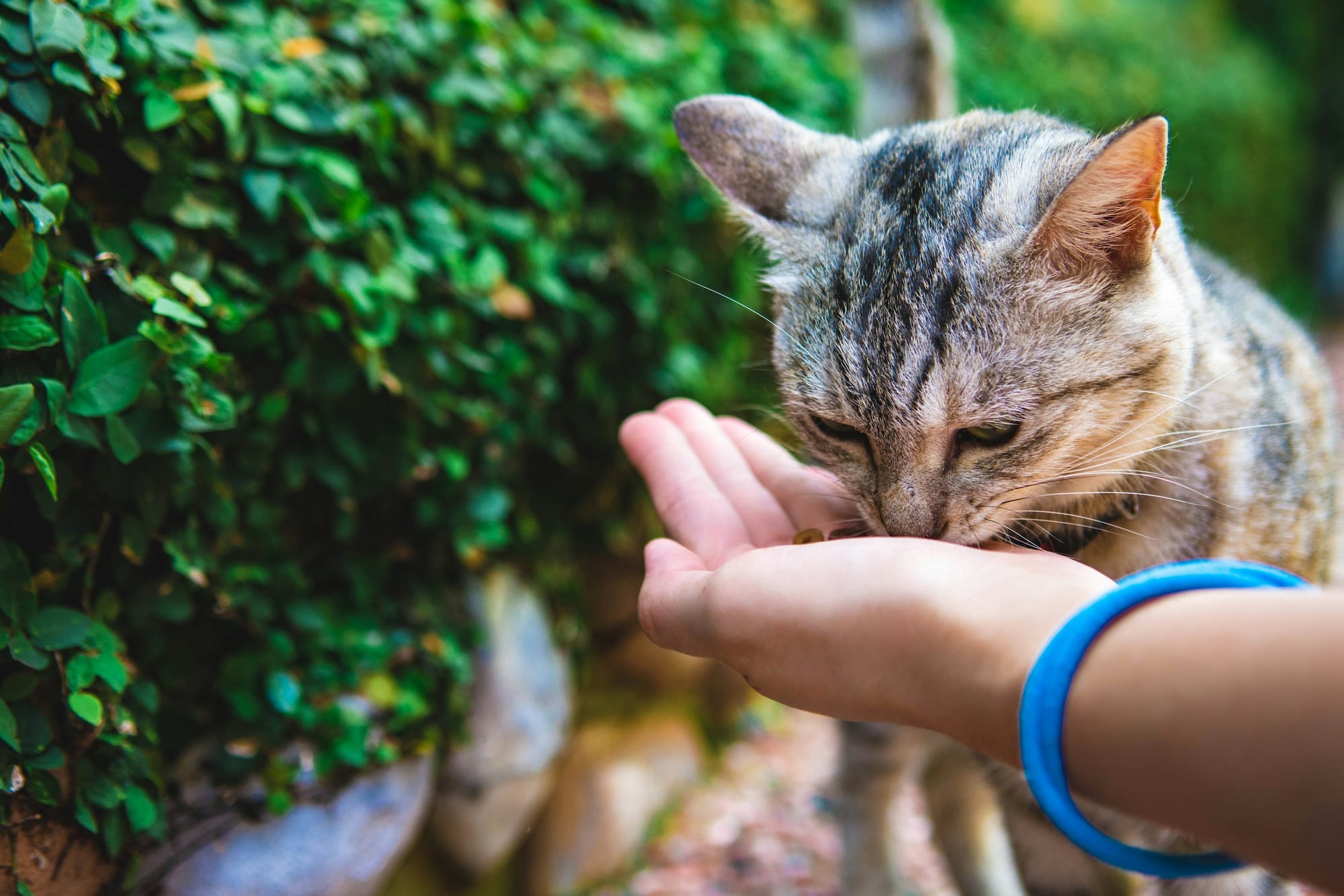
Over the past few days, I’ve been encountering cats with chronic kidney disease (CKD). These encounters have reminded me how valuable it is to help pet parents look at the whole feeding routine— including the little extras we might easily overlook.
When a cat has CKD, we often pay close attention to their main meals. But kidney-conscious feeding means looking at everything they eat, including the little extras.
A squeeze treat after medication.
A little reward after a clinic visit.
A familiar snack during cuddle time.
These small moments matter to us— and the treats we offer also count toward our cats’ overall nutrition. When a cat has chronic kidney disease (CKD), we often pay close attention to their main meals. But kidney-conscious feeding means looking at everything they eat, including the little extras.
What does the research tell us?
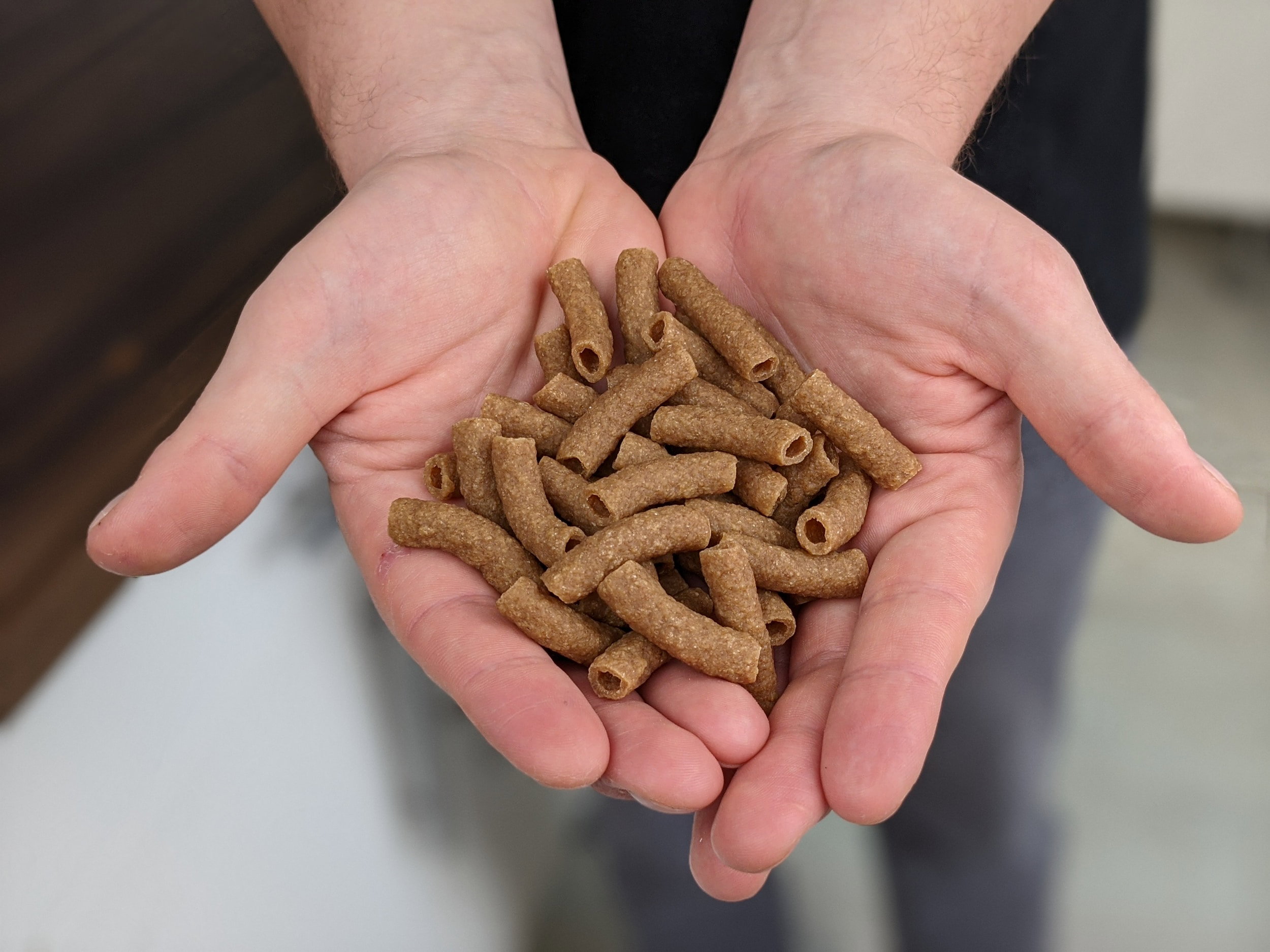
A 2026 study by Harris and colleagues analyzed seven purée-style cat treats from two manufacturers. Researchers measured their phosphorus and calcium content to understand how these products might contribute to dietary mineral intake. Phosphorus ranged from 9–36 mg per sachet. The four tested Inaba Churu formulations contained 29–36 mg, while the three tested Weruva low-phosphorus formulations contained 9–10 mg per sachet.
These results describe the specific formulations tested, rather than every product from either brand.
Why does this deserve attention?
Dietary phosphorus restriction is an important part of managing feline CKD. A therapeutic renal diet is designed with that goal in mind, but regularly offered treats add to the total phosphorus a cat consumes.
The researchers also found differences in calcium content and calcium-to-phosphorus ratios. Their findings highlight why treats should be considered within the whole feeding plan, especially when given every day. For pet parents, the practical message is simple: include the treats when you describe your cat’s diet to your veterinarian.
Sometimes, we remember the food brand and meal portions but forget the sachet used for medication, the reward after grooming, or the extra snack another family member offered. Keeping a simple record makes those details easier to discuss.
Before your cat’s next feeding review:
1. Take photos of the packaging. Include the product name, flavor, ingredient list, and nutritional information.
2. Record the actual amount offered. Note whether your cat receives part of a sachet, one sachet, or several throughout the day.
3. Include everyone in the household. Ask family members and caregivers to record the treats they give, too.
4. Explain the treat’s purpose. Is it used for medication, encouragement, bonding, or a daily reward? This helps your veterinarian suggest a practical plan.
5. Ask specific questions. “Is this suitable for my cat’s current condition?” and “How much can fit into their feeding plan?” are useful starting points.
What this study does—and does not—show
This was a small mineral-analysis study involving seven products from two manufacturers. It identified differences in mineral content; it did not establish that the tested treats cause CKD or make the disease progress faster. It also cannot tell us whether every commercial cat treat is appropriate for a particular cat.
Use these findings as a reason to start a more informed conversation with your veterinarian. Bring the packaging, share your cat’s routine, and review how the extras fit alongside their prescribed meals.
In my Pet Culinary Medicine workshops, this is a valuable habit to build: look beyond the main bowl and notice the whole feeding routine. Those details help us turn everyday acts of love into more thoughtful care. Love is in the little things—including checking the little extras.
Jhoan Veronica Gabriel, RN, MAN
Celebrate with FurPaws | The AJHO Method™
For pet-parent education. This post does not replace veterinary assessment or an individualized feeding plan.
Research reference: Harris AN, Harris T, Vaden S. (2026). Mineral Analysis of Feline Treats: Unrecognized Sources of Phosphorus and Calcium in the Management of Chronic Kidney Disease. Journal of Feline Medicine and Surgery. Read the study.