
Pet Culinary Medicine: Nourishing Health, One Conscious Choice at a Time
◆
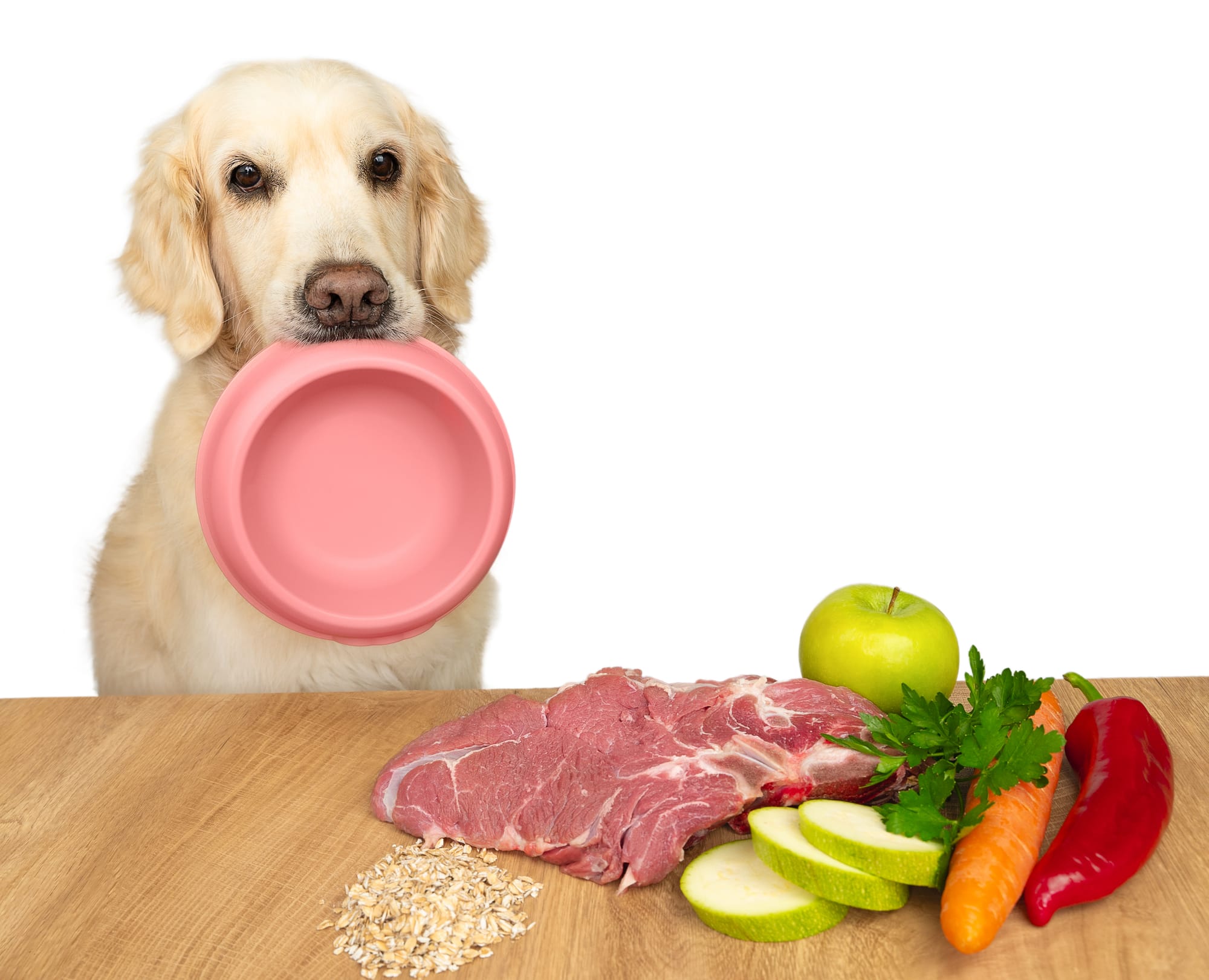
Pet culinary medicine begins with a simple shift in perspective: food is not just something we give—it’s something we use with intention. Every meal carries information. It can calm inflammation or worsen it, support organs or quietly exhaust them, strengthen immunity or leave the body struggling to keep up.For pet parents who want to understand their companion’s health more deeply, culinary medicine becomes a bridge—between diagnosis and daily life, between fear and empowerment, between doing nothing and doing something that matters.This isn’t about replacing veterinary care. It’s about participating in the healing journey instead of standing on the sidelines.
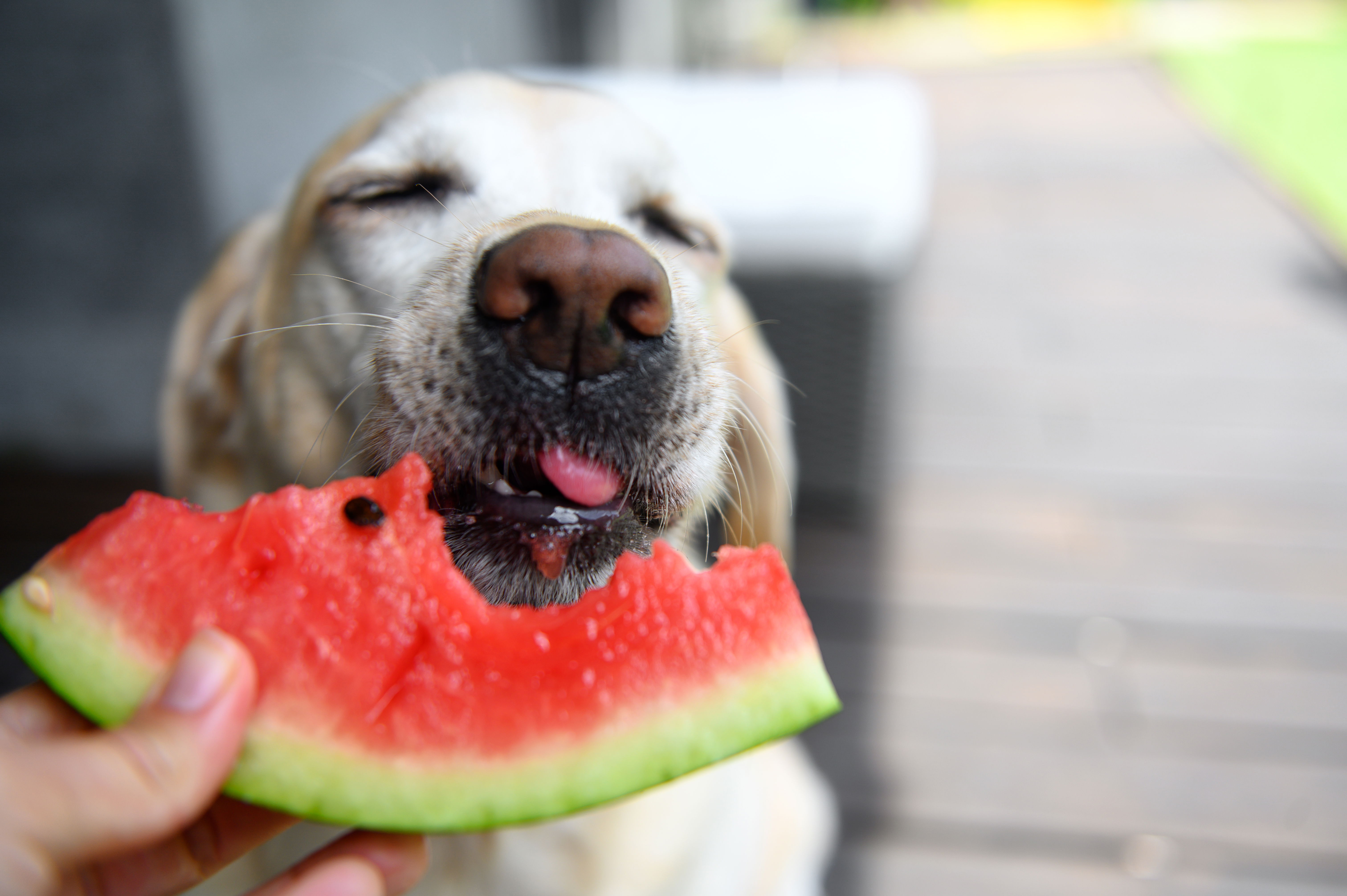
Why Food Matters More Than We’re Taught
Most chronic conditions don’t appear overnight. They develop slowly, shaped by genetics, environment, stress, movement, and—very strongly—nutrition. When we rely solely on medication without adjusting what goes into the bowl every day, we often miss an opportunity to slow things down or ease the body’s burden.Culinary medicine invites pet parents to ask different questions:
- What does my pet’s body need right now?
- Which ingredients support healing instead of just filling calories?
- How can food work with treatment, not against it?
Knowledge turns feeding time into an act of care rather than routine.
Understanding Common Health Journeys Through Food
Digestive Sensitivities and Gut Imbalance
Loose stools, vomiting, gas, or inconsistent appetite are often early signals. Gentle, easily digestible foods, simple ingredient lists, proper fiber, and thoughtful protein choices can help calm the gut and restore balance. Sometimes, slowing down and simplifying the bowl makes more difference than adding supplements too quickly.
Kidney and Liver Challenges
When organs responsible for detox and filtration are under strain, food choices matter deeply. Lowering certain minerals, choosing cleaner proteins, adjusting moisture content, and focusing on hydration can reduce workload on these organs and support quality of life. The goal is not restriction out of fear—but support through understanding.
Inflammation, Joint Pain, and Aging
As pets age, inflammation often becomes the quiet thread behind stiffness, discomfort, and fatigue. Anti-inflammatory ingredients, proper fats, and consistent nourishment can help slow degeneration and support mobility. Food won’t stop time—but it can make the journey gentler.
Immune Weakness and Recovery
After illness, infection, or stress, the body needs rebuilding. Thoughtful nutrition supports cellular repair, resilience, and strength. This is where food becomes less about maintenance and more about restoration.
Prevention Is a Daily Practice
Culinary medicine is most powerful before crisis hits. Preventive feeding isn’t about perfection—it’s about awareness. Rotating ingredients thoughtfully, avoiding chronic overexposure to highly processed foods, staying mindful of weight, and responding early to small changes all create long-term benefits.An empowered pet parent learns to notice:
- Changes in energy
- Subtle appetite shifts
- Coat, skin, and stool quality
- Emotional and behavioral signals
These observations guide better decisions long before lab results force them.
Walking the Journey Together
What many pet parents don’t expect is how deeply their own lives change when they become involved in their pet’s healing. Cooking with care slows you down. Learning about nutrition sharpens your intuition. Advocating for your pet builds confidence that often spills into other areas of life.You begin to realize that this journey isn’t only about extending years—it’s about improving the quality of the days you share.There will be moments of uncertainty. Days when progress feels slow. Times when you need guidance. That’s part of the process. Culinary medicine doesn’t promise control—it offers participation, understanding, and choice.
What It Means to Be an Empowered Pet Parent
An empowered pet parent doesn’t need to know everything. They simply choose to stay curious, involved, and compassionate.They understand that:
- Food can support healing
- Knowledge reduces fear
- Small changes add up
- Presence matters
Pet culinary medicine is not a trend or a formula. It’s a relationship—with food, with the body, and with the life that trusts you to care for it.And sometimes, the most powerful medicine begins quietly—in your kitchen, at eye level with your pet, choosing to nourish with love and intention.