
The Subtle Imbalance Of Jack's Health
◆
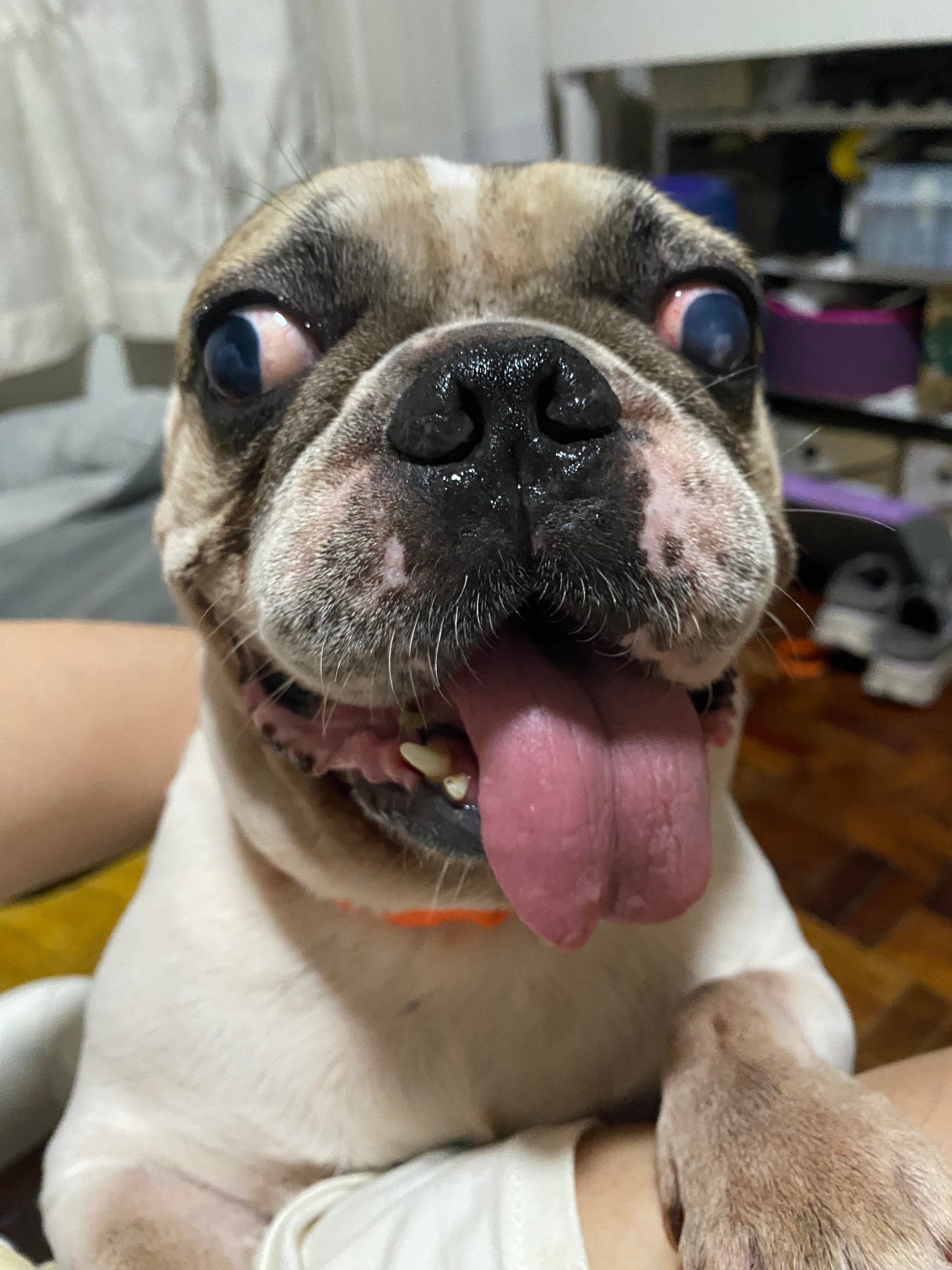
From Subtle Imbalance to Supported Health Through the Bowl
Jack came to me the way many dogs do—
loved, cared for, and seemingly “okay.” He had been on kibble for almost six years.
Routine. Familiar. Easy. But when I assessed him more closely, there were quiet signs his body was already compensating. In November 2024, he was overweight. Not at his best energy.
We started transitioning him to whole food diet.
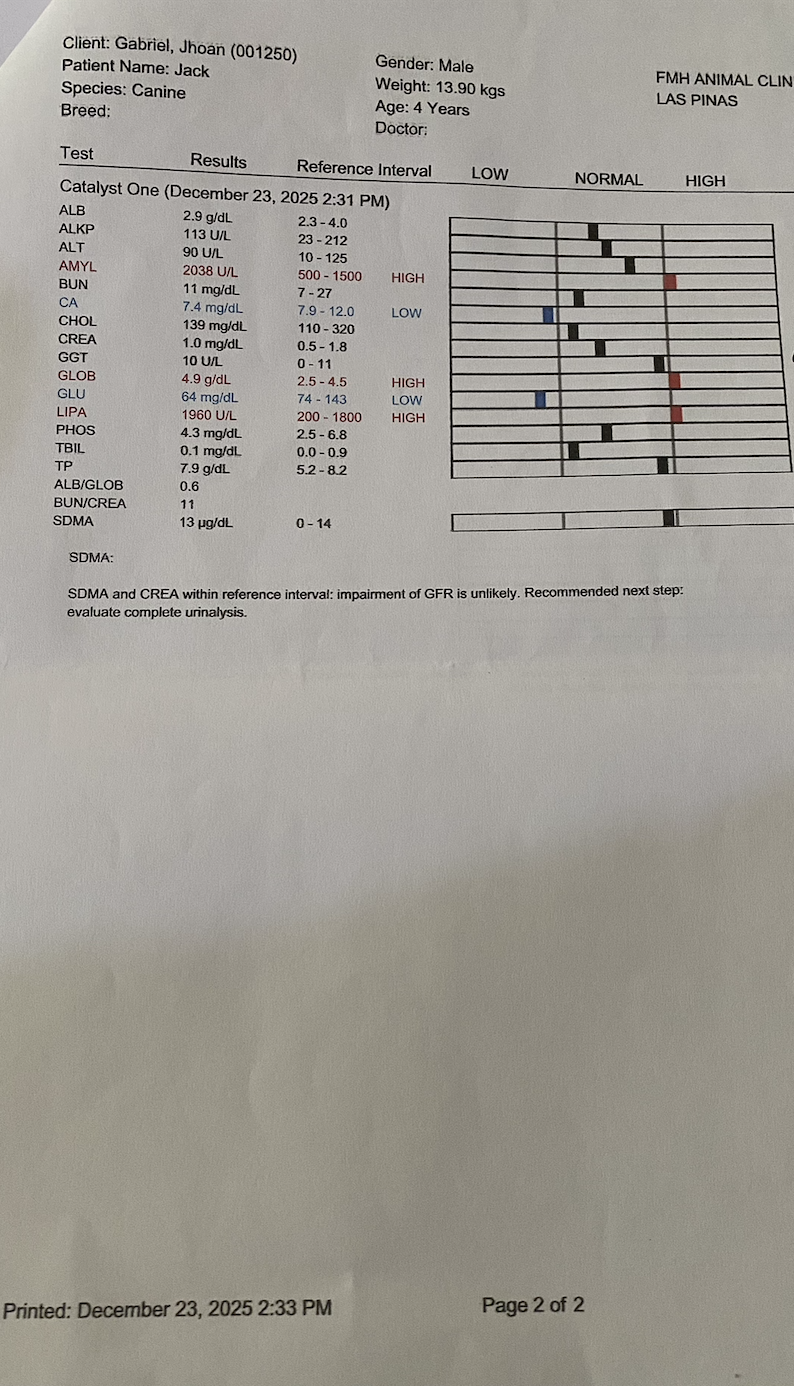
After a year, we looked at his lab work from December 2025, the picture became clearer. Not alarming—
but not something to ignore.
December 2025: Early Imbalances
- SDMA: 13 → upper end (early kidney stress marker)
- Amylase: 2038 (HIGH) → digestive strain
- Lipase: 1960 (HIGH) → pancreatic stress
- Calcium: LOW
- Glucose: LOW
At this stage, many would still say:
“Everything is within range.” But this is exactly where I pay attention. Because this is where the body is still highly responsive.
What We Changed (After December Results)
We transitioned Jack into:
- Intentional meal preparation
- Ingredient rotation
- Gentle, targeted support for kidneys and digestion
Nothing extreme.
Nothing overwhelming.Just consistent, intentional nourishment.
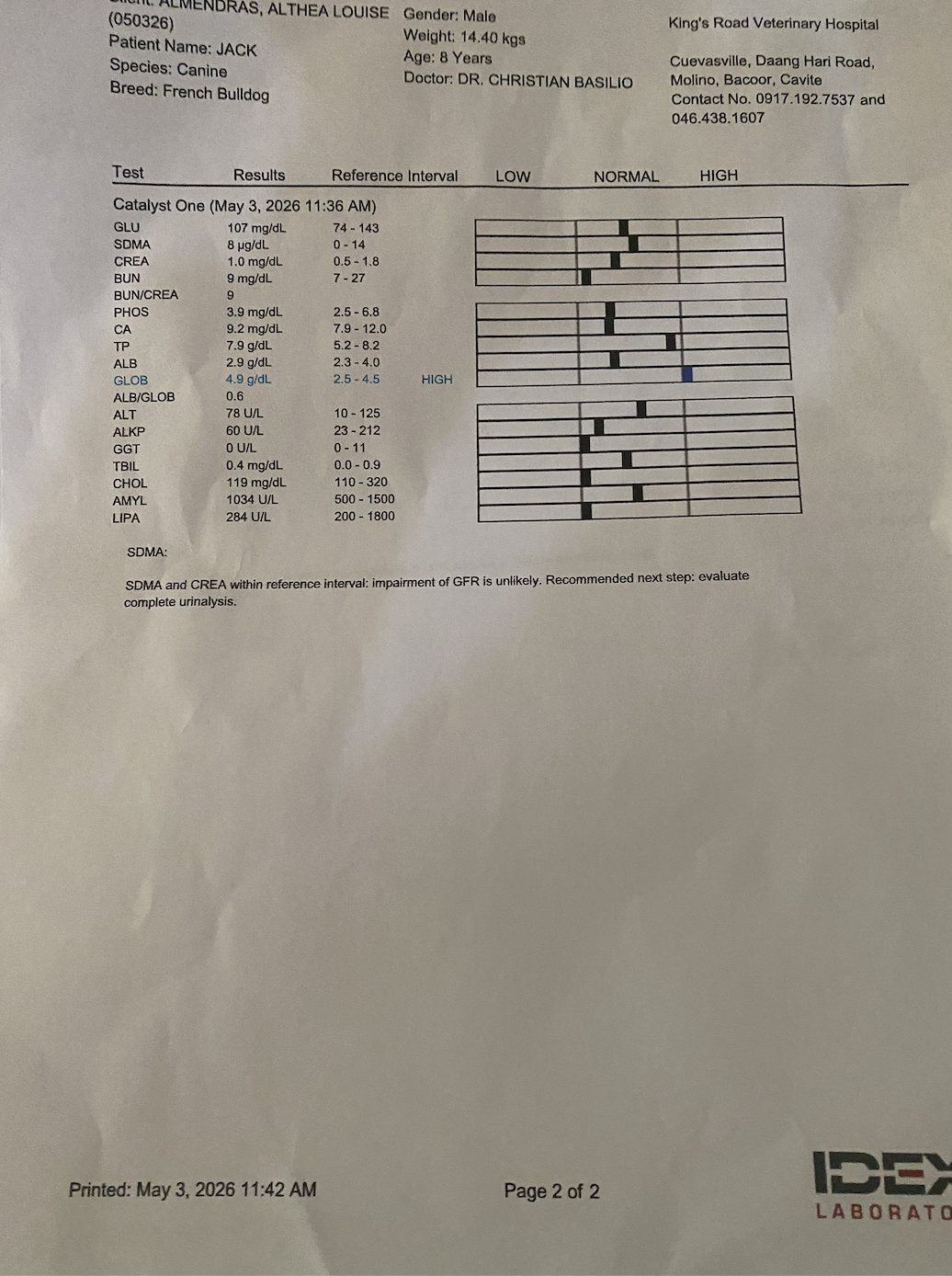
May 2026: 5 Months Later
Jack’s follow-up labs told a completely different story.
- SDMA: 13 → 8
→ moved away from early kidney stress - Phosphorus: Normalized
→ important for long-term kidney protection - Amylase: 2038 → 1034
- Lipase: 1960 → 284
→ significant reduction in pancreatic strain - Calcium: Normalized
- Glucose: Stabilized
- Liver values: Stable and healthy
- Weight: Improved naturally
What This Shows
This wasn’t about a quick fix.Jack improved because:
- We reduced daily dietary stress
- We supported his organs consistently
- We allowed his body to respond over time
This is the power of Pet Culinary Medicine—Not dramatic interventions…
but daily decisions that compound.
Why This Matters for Pet Parents
Jack wasn’t critically ill.He was in the stage most dogs are in—
functional, but already compensating. And this is where most people wait too long. You don’t need to wait for a diagnosis
to start supporting your dog’s health.Sometimes, the most important changes happen
in the “in-between.”
A Gentle Reminder
If your dog:
That’s not something to dismiss. That’s the body speaking early.And often—
- Has been on the same food for years
- Has “normal” labs but borderline markers
- Feels slightly off
the first place to respond…is the bowl.